


REIMAGINING THEOLogical education
For students
looking to go deeper
for pastors
looking to be sharpened
for laypeople
looking to gain wisdom
for educators
looking to lay foundations

About us
Davenant Hall advances and renews Christian wisdom for the digital age. Launched in 2019, our classes allow students to work through classic texts alongside expert guides, developing a firm grasp of God’s Word and his world grounded in the classical Protestant tradition. We offer affordable 10-week courses in the treasures of Scripture, Christian doctrine, and the rich intellectual tradition through which they have flowed down over the centuries–even to the present day.
Michaelmas Term 2026 (September – November)
upcoming COURSES
Registration begins July 13
A registration fee of $35 (per student, not per course) is required.
An additional late fee of $50 per course (in addition to the registration fee) will apply after August 23.
Course listings and options vary by term.
Natural Law And Scriptural Authority
Taught by Dr. Tim Jacobs, this course will help students understand the meaning of sola Scriptura and the use of moral reason in classical Protestantism.
The Washing of Water by The Word:
A Theology Of Baptism
This course, taught by Dr. Alastair Roberts, will be an expansive investigation of Baptism, considering it from many different vantage points and integrating these into a fuller account of the sacrament.
Richard Baxter’s Theology
Join Dr. Michael Lynch in a study of the whole of Richard Baxter’s End of Doctrinal Controversies–one of his final works–as a synopsis of Baxter’s mature theology.
Moral Theology for Counseling
This course, taught by James Pocta, will explore how a theology of counseling grounded in redemptive grace leads to healing and transformation through God’s life-giving purposes.
De Potentia Dei: An Aquinas Seminar
This course, taught by Dr. Grant Sutherland, offers a comprehensive survey of the doctrine of divine power, centered on a close reading of Thomas Aquinas’s Disputed Questions on the Power of God (De Potentia Dei).
Approaches To Defending The Faith
Taught by Dr. Joseph Minich, this course, whilst surveying the major schools of apologetics, will reframe apologetic encounters as occurring between whole persons, with many persuasive tools coalescing to persuade one’s interlocutor.
Constantine and The Conversion of the Roman Empire
Join Dr. Matthew Hoskin in a consideration of how Constantine’s conversion in 312 transformed the Roman world forever.
George MacDonald’s Phantastes and the Baptism of Lewis’s Imagination
C.S. Lewis famously wrote that reading George MacDonald’s Phantastes “baptized” his imagination. This course, taught by Dr. Anthony Cirilla, will explore this in depth.
Language Courses
Davenant Hall students receive a discount on Ancient Language Institute courses! Contact Ryan Hammill at ADMIN@ANCIENTLANGUAGE.COM to find out more.
New courses will be offered each term in a wide range of topics.
Sign up to get updates as soon as new courses are offered!
Three degree programs in
CLASSICAL PROTESTANTISM
Classes are held over Zoom for 2 hours each week. Students can audit, enroll in our Certificate or M.Litt, or M.St. degree programs, or mix-and-match courses on a for-credit or auditing basis.
CERTIFICATE
Certificate
8 Tracks
1 year | 15 credits
Masters IN classical Protestantism
M.St
1-2 year | 38 Credits
M.Litt.
2-3 Year | 72 Credits
FACE-TO-FACE
RESIDENTIAL COURSES
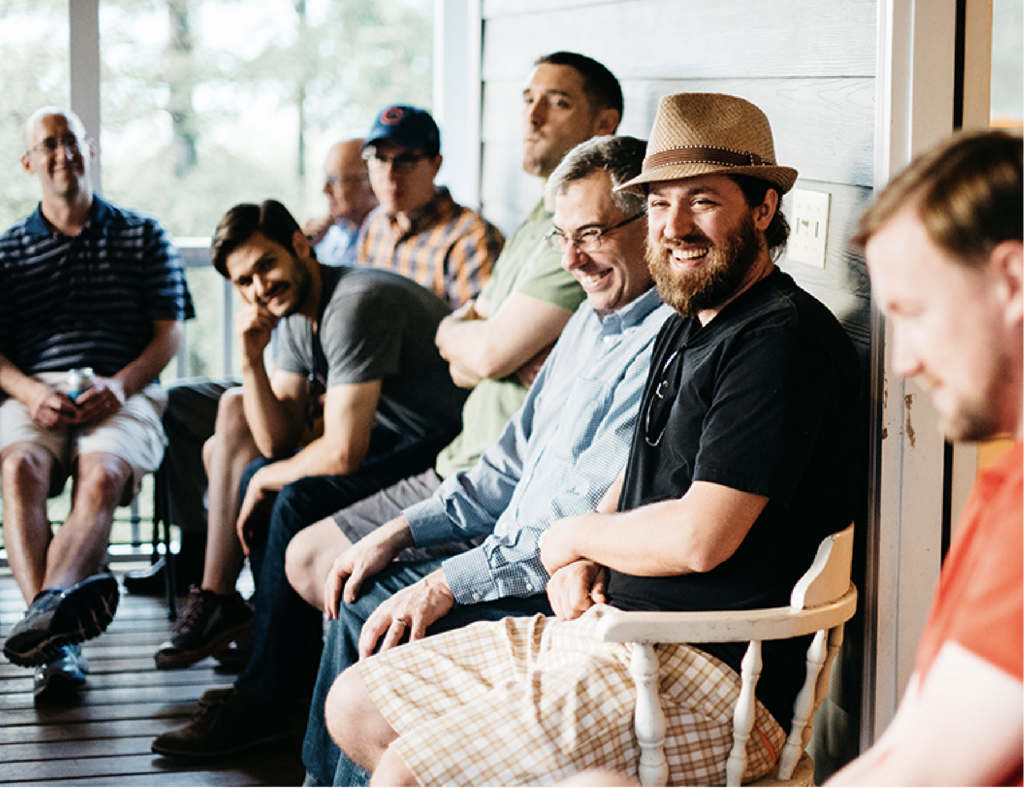
Residential intensives and discipleship weeks are a key component of the M.Litt program, and open for anyone else to attend.
Academic year
2026-2027 CALENDAR
Admissions are on a rolling basis; enroll at any point in the academic year.
For a more detailed list of important dates, see our Academic Calendar.
michaelmas term (fall)
September 7 – November 14, 2026
Hilary term (winter)
January 11 – March 20, 2027
Trinity Term (Spring)
April 5 – June 12, 2027
Summer term
June 28 – August 21, 2027
tUITION AND COST
ENROLLMENT OPTIONS
Auditing ($250/class)
Enroll in individual classes on an Auditor basis: readings, live class participation, but no graded assignments.
Full course Part-time ($495/class)
Register for individual classes on a for-credit basis, and you can later on apply them toward a Certificate or Degree.
full course Full-time ($350/class)
Students enrolled in at least four courses per term are eligible for a full-time discount. These classes are for-credit, so they can be applied toward one of our degree programs. Regular courses, language courses, and summer residentials will count towards full time status, but video lecture courses and discipleship week will not.
Download our 2026-2027 Course Catalog for complete listings.
Davenant Distinctives
A New Republic
of Letters
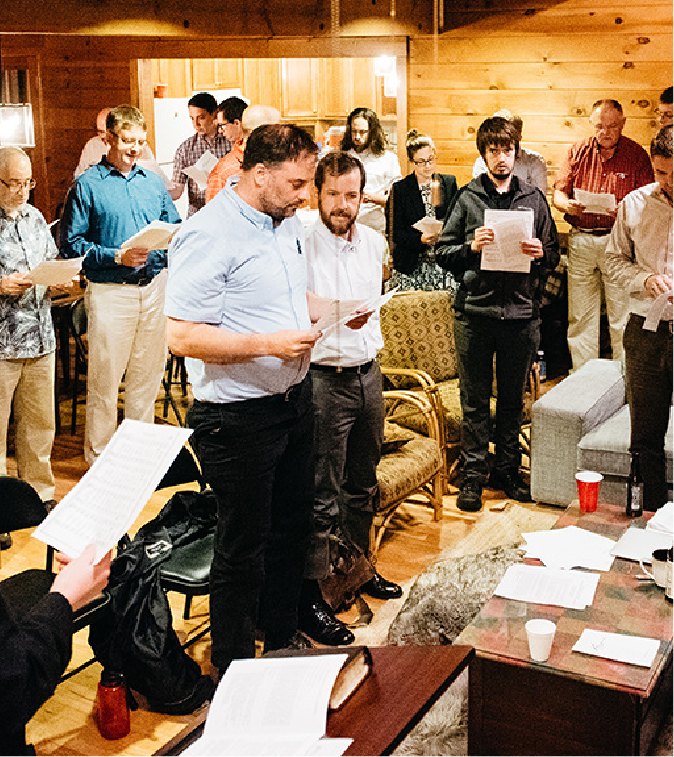
Here at Davenant Hall, we are seeking to re-imagine the medieval university and the early modern republic of letters for the digital age. By harnessing the new powers of the internet to offer effective and flexible online instruction, and the old practices of in-person fellowship and mentorship to seek wisdom together in community, we are building an army of friends to take on the challenges of the twenty-first century.
OUR Instructors
MEET OUR FACULTY
At Davenant Hall, our expert faculty members convene classes on their areas of specialization, while rooting them within the broader tradition of Christian thought. This is just one of the ways we are recreating the medieval university for the digital age.